
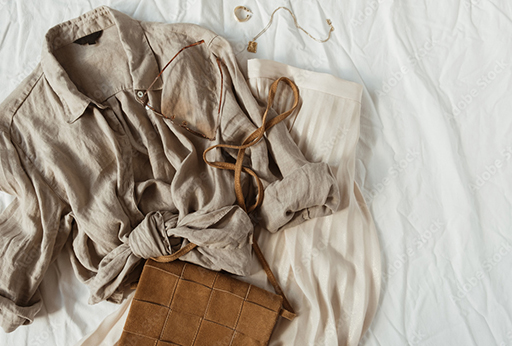
Linen fabric has been cherished for centuries, and its popularity continues to grow, especially in dressmaking. Known for its natural feel, breathability, and durability, linen is a go-to fabric for many fashion designers and home sewers alike. But what exactly is linen fabric, and why is it ideal for dressmaking? In this article, we'll explore the key properties of linen, the different types of linen available, and why it's a favorite fabric for so many people..
What is Linen Fabric?
Linen is a textile made from the fibers of the flax plant. It is one of the oldest fabrics in the world, dating back thousands of years to ancient Egypt, where it was used to make clothing and household textiles. The process of transforming flax fibers into linen fabric involves a series of steps, including harvesting, retting, and weaving. This results in a fabric that is strong, absorbent, and has a natural luster.
Linen's texture is slightly coarse compared to other fabrics, but it softens with each wash, making it more comfortable over time. It's a sustainable choice since flax grows in fewer resources than cotton, and the entire plant is used in production, leaving little waste.
Important Properties of Linen Fabric
Linen fabric has several important properties that make it ideal for garment sewing:
1. Breathability: Linen allows air to circulate, making it an excellent fabric for warm weather. Its breathability helps regulate body temperature, keeping you cool even on hot days.
2. Absorbency: Linen can absorb up to 20% of its weight in moisture before feeling damp. This makes it ideal for humid climates or hot summer days when you want to stay dry and comfortable.
3. Durability: Linen is known for its strength and can last for many years with proper care. In fact, linen is stronger than cotton, making it less prone to wear and tear.
4. Natural: Linen has a subtle sheen due to the natural fibers in the flax plant. This gives linen garments a polished look, even in casual clothing.
5. Hypoallergenic: Because linen is made from natural plant fibers, it is hypoallergenic and unlikely to cause irritation, making it an excellent choice for people with sensitive skin.
Types of Linen Fabric for Dressmaking
There are different types of linen fabric available, each with its unique characteristics that cater to various dressmaking needs. Here are some of the most popular ones:
1.Plain Weave Linen: The most basic form of linen, this is tightly woven and versatile. It’s suitable for making shirts, dresses, and lightweight trousers.
2.Cambric Linen: This type of linen is fine and lightweight, perfect for delicate garments such as blouses, summer dresses, and handkerchiefs.
3.Damask Linen: Often used for tablecloths and napkins, Damask linen has intricate patterns woven into it, making it suitable for more formal garments and dress accents.
4.Linen Gauze: A very lightweight and sheer form of linen, linen gauze is perfect for airy, breathable summer garments such as kaftans or wraps.
5.Linen Jersey: This is knit linen that has some stretch to it, making it ideal for casual dresses, t-shirts, and other garments that need a bit of flexibility.
6.Linen Canvas: This is a heavier, more durable form of linen, commonly used for outerwear like jackets or more structured garments.
7.Handkerchief Linen: Lightweight and fine, this linen is perfect for making handkerchiefs and more refined garments.
8.Linen-Cotton Blend: Blended with cotton, this fabric combines the best of both worlds—linen's breathability and cotton's softness, great for everyday dresses and casual wear.
9.Stretch Linen: This fabric incorporates a small amount of spandex or elastane, giving it more flexibility. It’s perfect for making form-fitting dresses.
10.Huckaback Linen: With a rougher texture, this type of linen is mostly used for towels, but it can also be used for more rustic-style clothing.
Where is Linen Used?
Linen is incredibly versatile and used in a variety of applications, including:
Clothing: Linen is a favorite for making dresses, skirts, blouses, trousers, and suits.
Home Textiles: Linen is used for bedding, curtains, tablecloths, and towels.
Accessories: Bags, scarves, and hats are often made from linen, especially for summer collections.
Upholstery: Thanks to its durability, linen is also used for furniture coverings and cushion covers.
Why Linen is Ideal for Garment Sewing
Linen fabric is a dream to sew with, making it ideal for garment creation. Its structure makes it easy to handle during cutting and sewing, and it responds well to pressing, which helps in achieving clean, crisp seams. Whether you're a beginner or an experienced sewist, working with linen fabric for dressmaking can be a satisfying experience.
Linen for summer or winter?
Linen is traditionally thought of as a summer fabric, and for good reason. Its breathability and moisture-wicking properties make it perfect for warm weather. However, linen can also be worn in winter when layered with other fabrics. Heavyweight linen or linen blends can offer warmth while maintaining comfort, making linen suitable for year-round wear.
Benefits of Wearing Linen
There are numerous benefits to wearing linen garments, which is why many people love it so much:
1.Comfort: Linen is highly breathable and lightweight, keeping you comfortable even in hot weather.
2.Durability: Linen's natural strength makes it long-lasting. With proper care, linen garments can last for years.
3.Eco-friendly: Linen is made from flax, which is a sustainable crop. Choosing linen helps reduce the environmental impact of your wardrobe.
4.Natural Look: Linen has a unique texture and slight wrinkles that give it a relaxed yet stylish appearance.
5.Versatility: Linen can be dressed up or down, making it suitable for casual daywear as well as more formal occasions.
Why People Love Linen Fabric
People love linen fabric for its versatility, natural aesthetic, and comfort. Linen garments offer a timeless look that never goes out of style, and the more you wear and wash linen, the softer and more comfortable it becomes.
Additionally, the eco-conscious aspect of linen appeals to those who want to make more sustainable clothing choices. Whether you're sewing a summer dress or a winter coat, linen fabric for dressmaking is always a wonderful option.
Finally, linen fabric is a top choice for dressmaking, thanks to its breathability, durability, and eco-friendliness. With so many different types available, there's a linen fabric for every sewing project. Whether you're making a lightweight summer dress or a more structured winter garment, linen is sure to meet your needs and add a touch of natural elegance to your wardrobe.
If you’re still searching for the perfect linen fabric for your next dressmaking project, we invite you to explore our wide selection of high-quality linen fabrics. We are committed to helping you bring your dressmaking visions to life with the finest linen options.